Navigating the Underbelly: A Compass to Dark Web Markets
Attraction of the deep web often fascinates those curious about the secrecy it offers. As a hidden part of the internet, the dark web houses numerous markets that exist outside the control of conventional law agencies. While often associated with illicit activities, these darkweb markets appeal to customers for various reasons, including security needs to the existence of special goods that cannot be found anywhere else.
Understanding the details of darkweb markets is crucial for anyone looking to understand this obscure landscape. If you are a researcher, a IT security professional, or just someone curious by the enigmas of the internet, this manual aims to explain the mechanics of these platforms, offering insights into their working, potential risks, and the transforming nature of commerce in the underbelly of the dark web.
Overview to Darkweb Markets
The hidden web is a section of the internet that is not indexed by traditional search engines, which establishes it a obscure realm where participants can function with increased anonymity. This segment of the internet is often linked to forbidden activities, and one of its significant features is the availability of darkweb marketplaces. These marketplaces function similarly to online marketplaces where goods and services can be purchased and sold, but they usually focus in forbidden products such as drugs, weapons, and counterfeit items.
Navigating darkweb markets involves the use of particular software, most commonly Tor, which anonymizes users' personal information by sending their web traffic through several nodes. This anonymity attracts both sellers and customers who want to remain unnoticed by police. However, with this allure comes a variety of risks, including deceptions, exposure to dangerous materials, and the potential for criminal consequences. It is important for anyone entering into these markets to be aware of these risks.
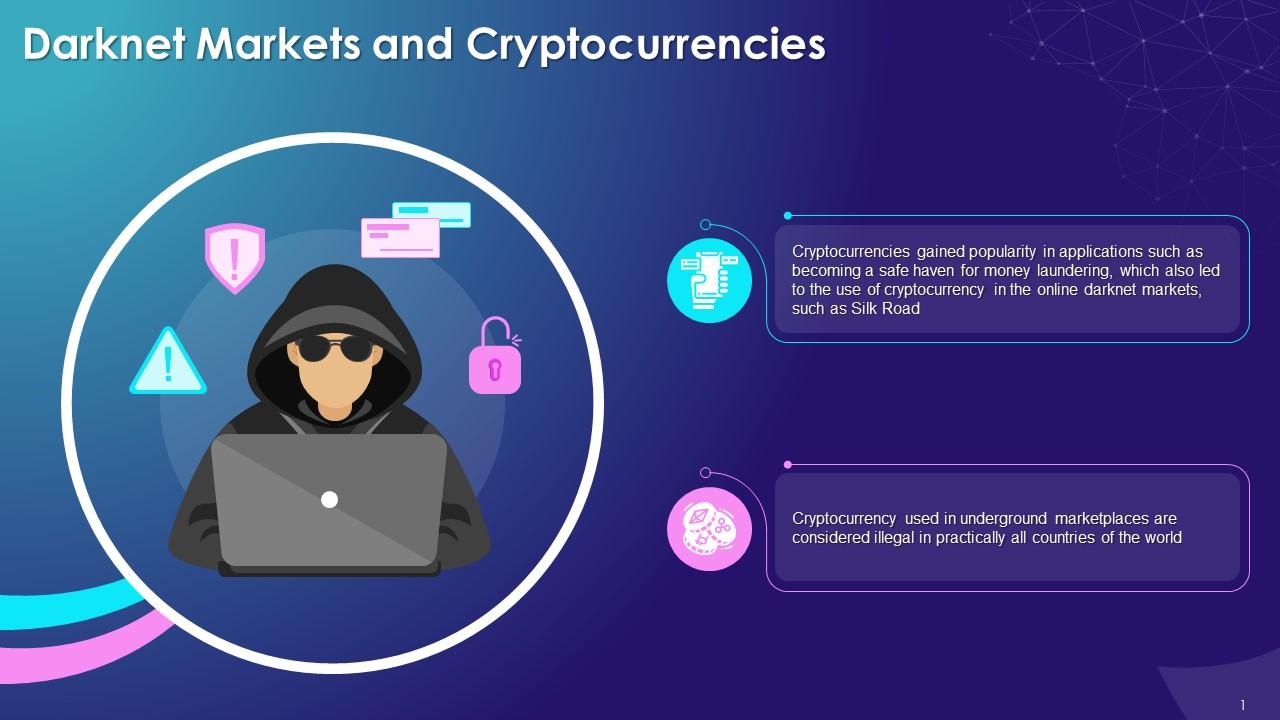
The organization of dark web marketplaces often reflects that of real digital platforms, including user reviews, evaluations, and categories for multiple goods. Each market has its own rules and systems, some functioning as independent sites for hacking services while others concentrate solely on real-world products. As such, the terrain of dark web marketplaces is continuously evolving, shaped by the authorities actions and user need, making it a fluid yet perilous environment.
Comprehending Dark Web Dynamics
The dark web operates on a unique set of principles that separate it from the surface web. One crucial element is the focus on anonymity. Users count on specialized software, such as The Onion Router, to connect to illicit sites that are not indexed by traditional search engines. This anonymity fosters a culture where illicit activities can flourish, although not every single darknet transactions are unlawful. The mechanics of confidence within these markets are complicated, relying significantly on user feedback and verified reputation systems.
Stores on the darknet are dynamic and can change rapidly, with emerging players joining and current ones disappearing. This fluctuation creates a continuously changing landscape where buyers and sellers must respond rapidly. It is not rare for stores to be temporary, often shutting down due to police crackdowns or internal conflicts. Even so, darknet markets url of these markets means that emerging sites frequently come forth, offering products ranging from illegal drugs to counterfeit documents.
Another essential aspect is the method of currency utilized in these stores. Cryptocurrencies, particularly BTC, play a crucial role in facilitating transactions while preserving user privacy. However, changes in digital currency values can significantly affect the mechanics of selling and transacting on the dark web. As users seek to reduce threats associated with price volatility, alternative payment methods such as cryptocurrencies pegged to stable assets are gaining traction, adding another dimension of intricacy to the economic landscape of these platforms.
Security and Safety on the Darkweb
Navigating darkweb platforms demands a strong of alertness and precaution. Individuals must arm themselves with tools such as virtual private networks and Tor browsers to ensure their identification and activities remain hidden. Such measures help securing web traffic and masking your IP address, making it more difficult for malicious actors to track your internet actions. Moreover, constantly confirm the legitimacy of the websites you browse, as many can be scams designed to steal private data or distribute malware.
Another important aspect of security on the darkweb is the handling of transactions. Numerous dark web exchanges utilize cryptocurrencies, as they provide a degree of privacy. However, it is necessary to use safe digital wallets and to be mindful of the risks associated with cryptocurrency theft and hacking. Regularly execute transactions carefully, knowing the methods of protecting your assets and making certain you are not becoming a victim to fraud. Cultivating a sense of doubt towards offers that seem too good to be true can safeguard you from potential losses.
Finally, practice good operational protocols. This entails avoiding the sharing of sensitive data and being cautious about the data you disclose even in secure platforms. Regularly refresh your protection software and stay updated about the latest risks arising in dark web environments. Informing yourself about safe practices assists in identifying potential dangers and strengthens your security while navigating the extensive and frequently dangerous realms of the darknet.